Clouds Swimming over Lago Argentino
A collection of fish-shaped clouds hovered above the glacial lake in Patagonia in December 2025.
Read More →Stay updated with the latest events in spaceflight.
A collection of fish-shaped clouds hovered above the glacial lake in Patagonia in December 2025.
Read More →
NASA’s integrated SLS (Space Launch System) rocket and Orion spacecraft for the Artemis II mission is inching closer to launch – literally. The agency is targeting no earlier than 7 a.m. EST, Saturday, Jan. 17, to begin the multi-hour trek from the Vehicle Assembly Building to Launch Pad 39B at NASA’s Kennedy Space Center in […]
Read More →
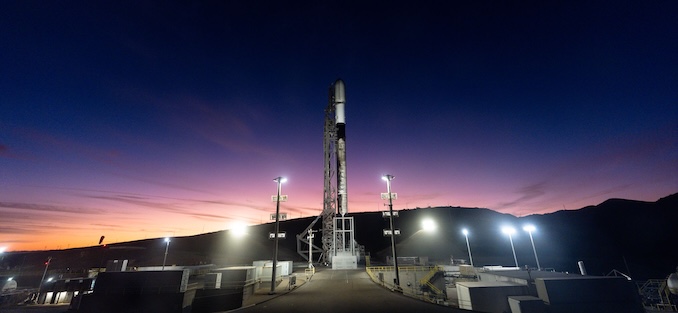
Chinese commercial firm CAS Space launched its first Lihong-1 suborbital flight and recovery test mission, seeing a successful parachute descent of the capsule. The post CAS Space conducts first suborbital launch and capsule landing test appeared first on SpaceNews.
Read More →
The three astronauts and cosmonaut are scheduled to undock from the space station at 5:05 p.m. EST (2205 UTC) on Wednesday, Jan. 14, and splashdown off the coast of California at 3:41 a.m. EST (0841 UTC).
Read More →
NASA and SpaceX are targeting 5:05 PM EST (22:05 UTC) on Wednesday, Jan. 14, for… The post Crew-11 set for undocking and splashdown after medical situation forces early return appeared first on NASASpaceFlight.com.
Read More →
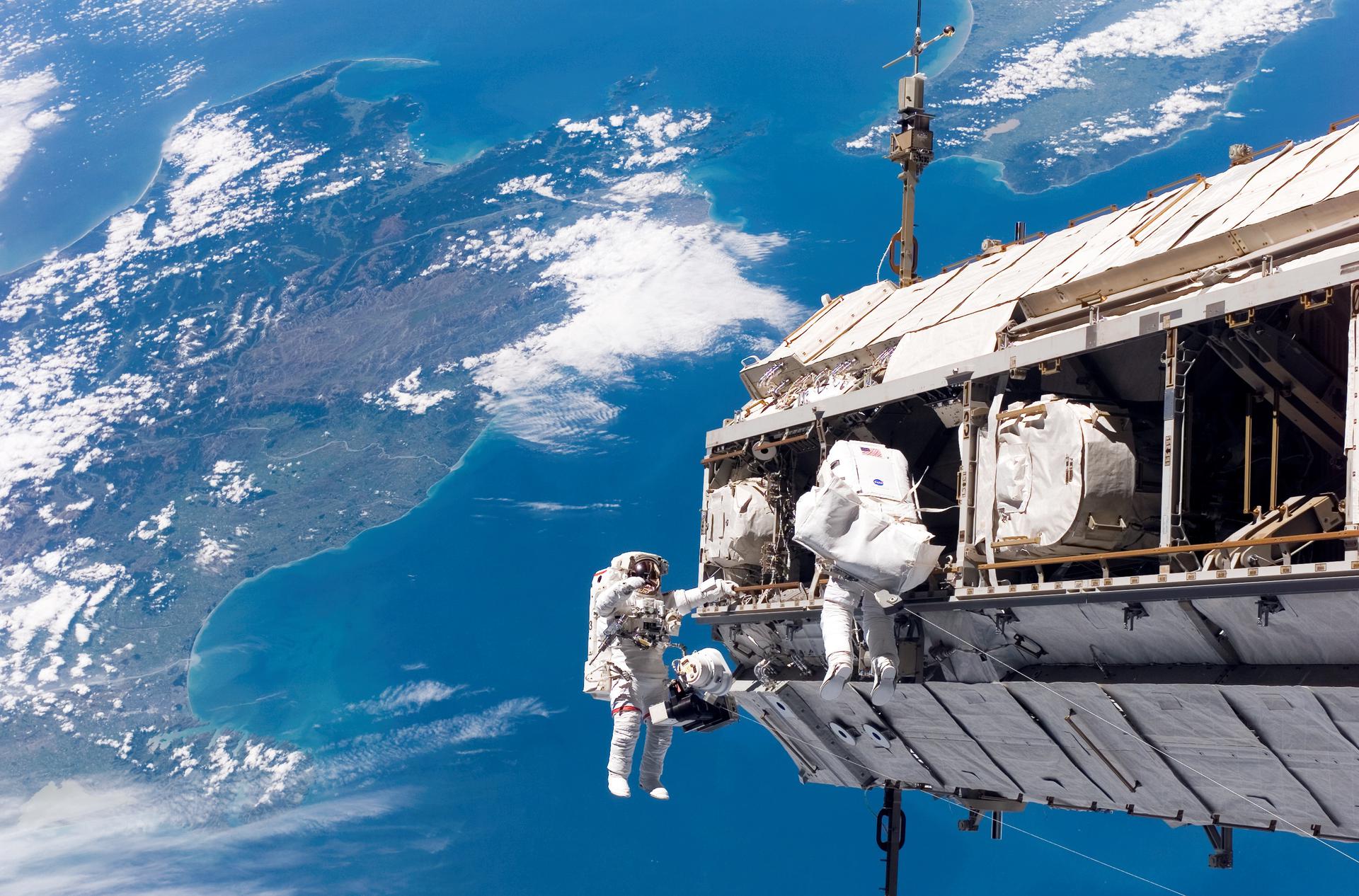
The New York–Newark–Jersey City Metropolitan Statistical Area, which spans 23 counties across New York, New Jersey, and Connecticut and has a population of about 19.9 million, is pictured at approximately 3:29 a.m. local time Dec. 20, 2025, from the International Space Station as it orbited 262 miles above the Atlantic coast. Crew members aboard the […]
Read More →
Spacecraft Event
Crew-11 will close the dragon hatch in preparation for departure
Spacecraft Undocking
The Crew-11 Crew Dragon will undock from the International Space Station, carrying four astronauts. It will then reenter the Earth's atmosphere and splashdown in the Pacific Ocean.
Spacecraft Landing
The Crew-11 Crew Dragon will splashdown in the Pacific Ocean, bringing four astronauts back to Earth after spending six months on the International Space Station.
Founded: 1998-11-20
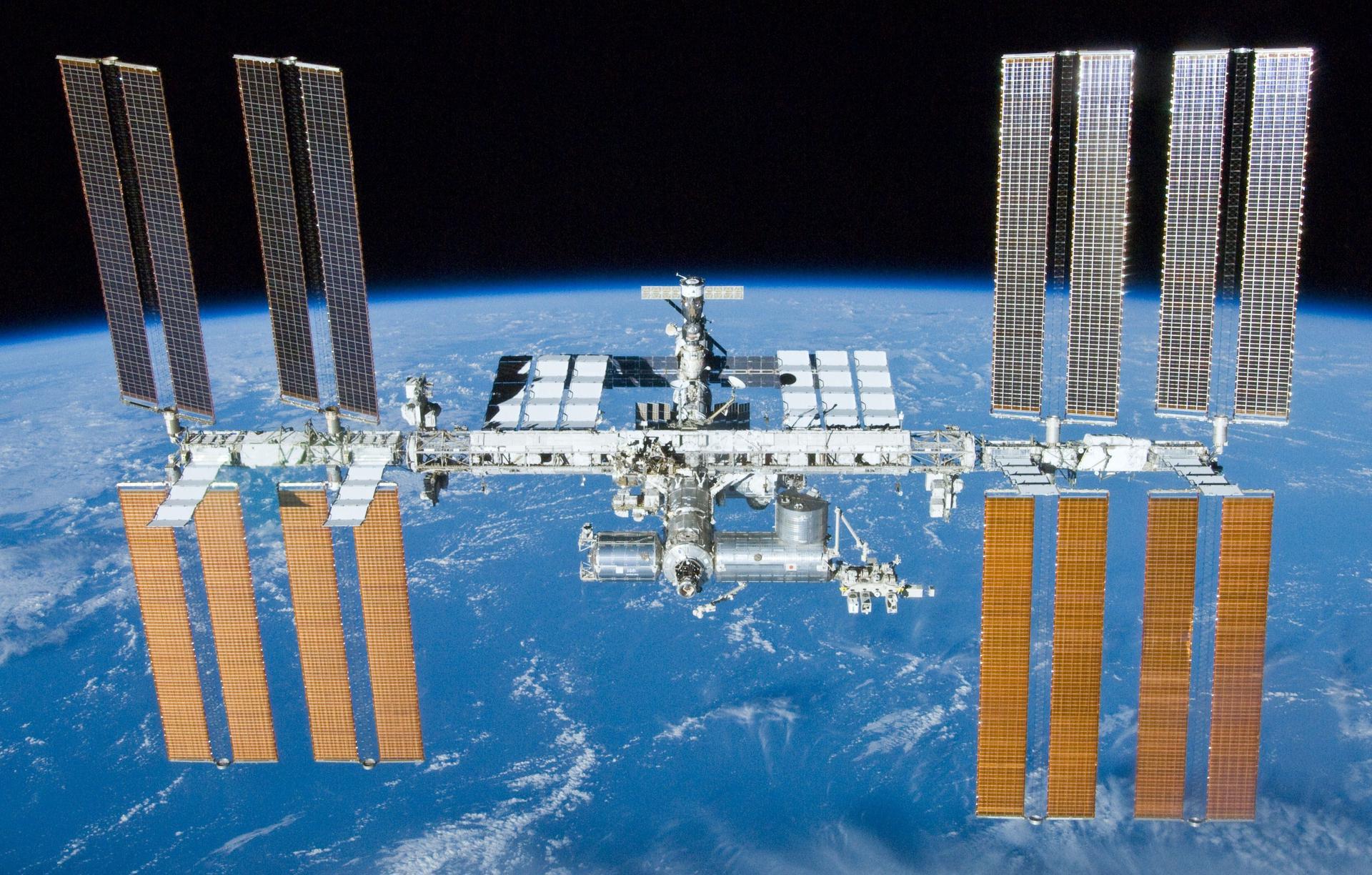
The International Space Station (ISS) is a space station, or a habitable artificial satellite, in low Earth orbit. Its first component was launched into orbit in 1998, with the first long-term residents arriving in November 2000. It has been inhabited continuously since that date. The last pressurised module was fitted in 2011, and an experimental inflatable space habitat was added in 2016. The station is expected to operate until 2030. Development and assembly of the station continues, with several new elements scheduled for launch in 2019. The ISS is the largest human-made body in low Earth orbit and can often be seen with the naked eye from Earth. The ISS consists of pressurised habitation modules, structural trusses, solar arrays, radiators, docking ports, experiment bays and robotic arms. ISS components have been launched by Russian Proton and Soyuz rockets, and American Space Shuttles.
Founded: 1986-02-20
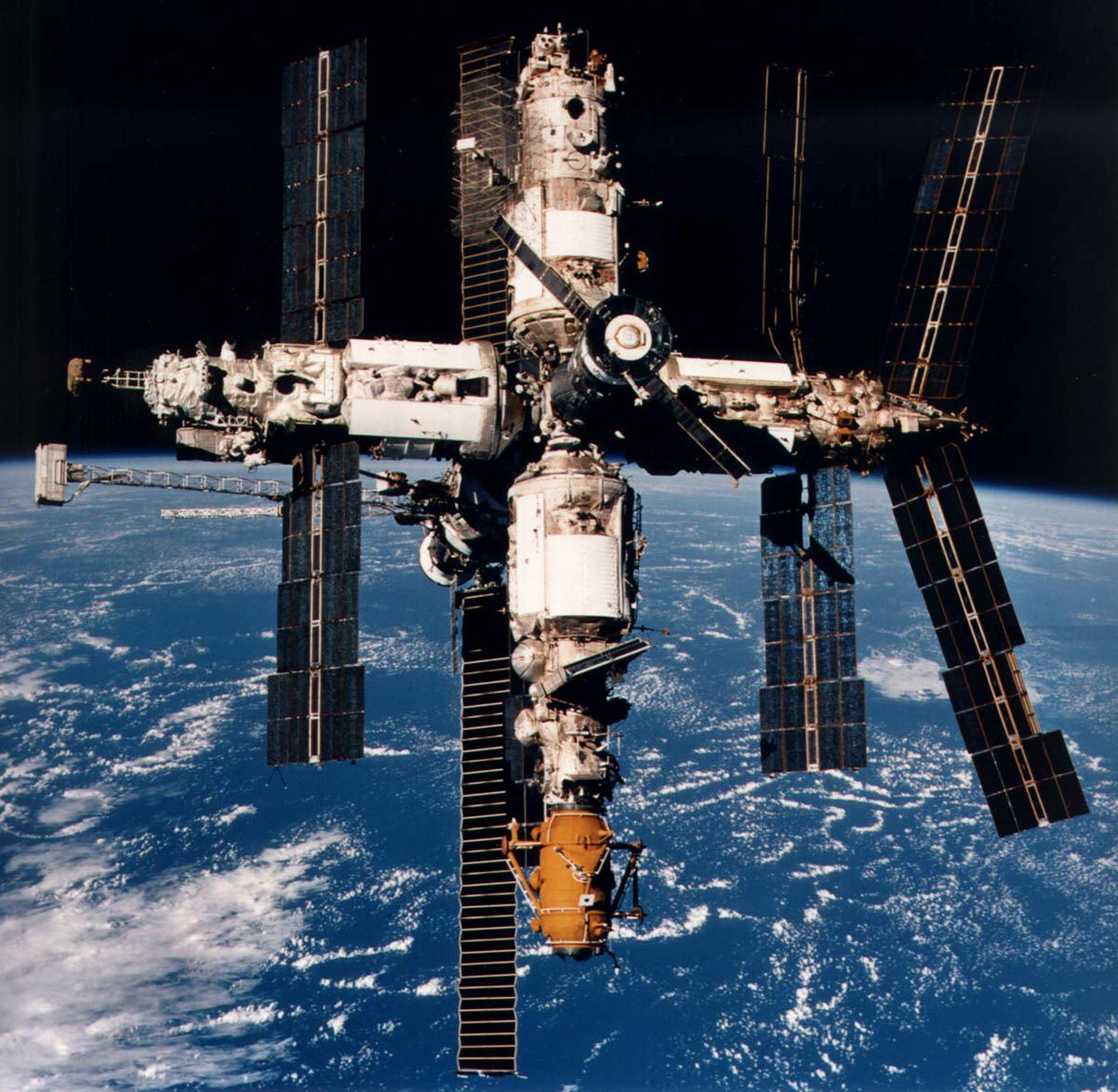
Mir was a space station that operated in low Earth orbit from 1986 to 2001, operated by the Soviet Union and later by Russia. Mir was the first modular space station and was assembled in orbit from 1986 to 1996. The station served as a microgravity research laboratory in which crews conducted experiments in biology, human biology, physics, astronomy, meteorology and spacecraft systems with a goal of developing technologies required for permanent occupation of space.
Founded: 1973-05-14
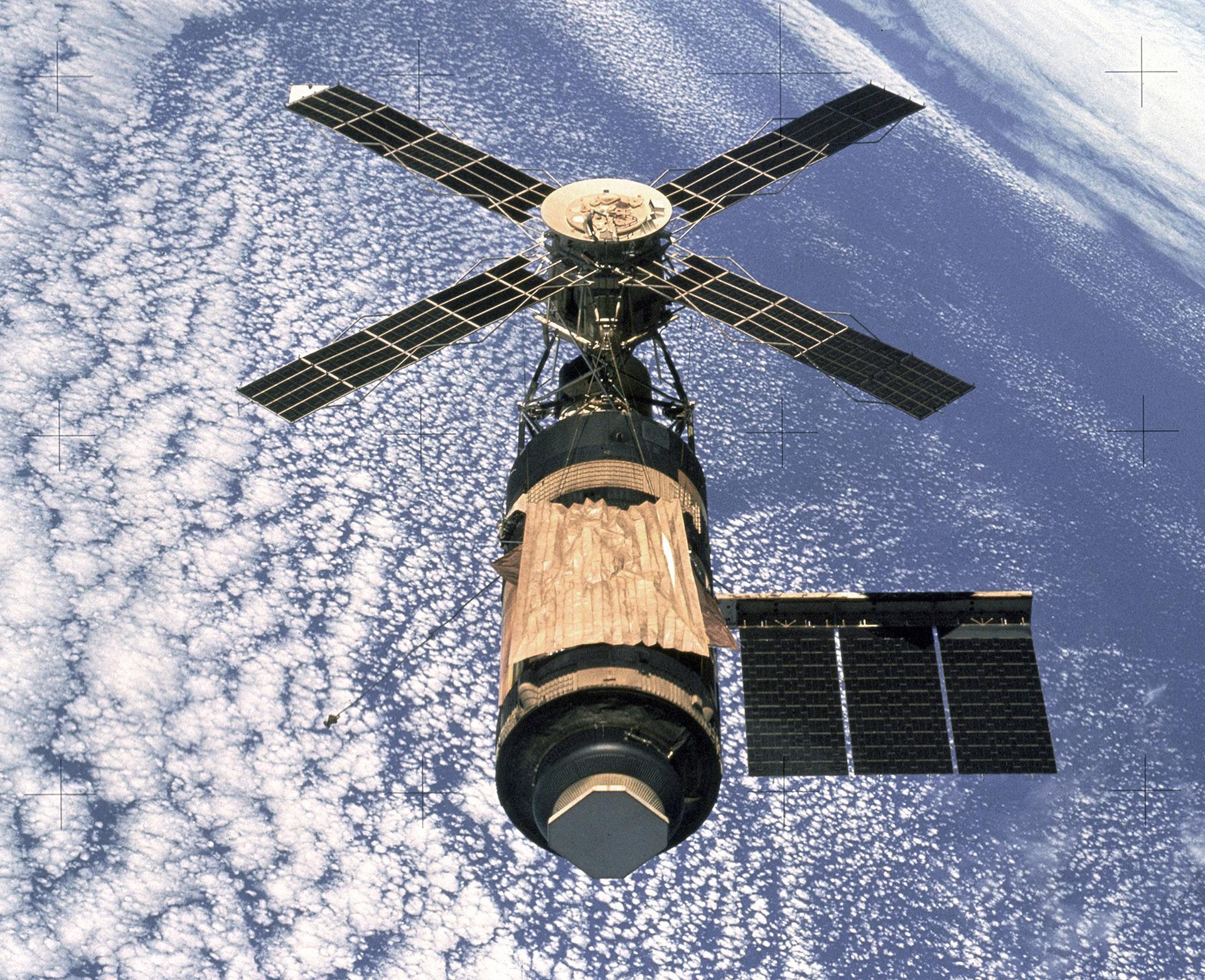
Skylab was a United States space station launched and operated by NASA, and occupied for about 24 weeks between May 1973 and February 1974 – the only space station the U.S. has operated exclusively. In 1979 it fell back to Earth amid huge worldwide media attention. Skylab included a workshop, a solar observatory, and other systems necessary for crew survival and scientific experiments. It was launched unmanned by a modified Saturn V rocket, with a weight of 170,000 pounds (77,000 kg). Lifting Skylab into low earth orbit was the final mission and launch of a Saturn V rocket (famous for carrying the manned Moon landing missions). Three missions delivered three-astronaut crews in the Apollo command and service module (Apollo CSM), launched by the smaller Saturn IB rocket. For the final two manned missions to Skylab, a backup Apollo CSM/Saturn IB was assembled and made ready in case an in-orbit rescue mission was needed, but this backup vehicle was never flown.