Latest News

Stay updated with the latest events in spaceflight.

Latest News

Artemis II Heat Shield After Splashdown
NASA •

Artemis II Heat Shield After Splashdown

Shortly after NASA’s Artemis II mission splashed down on April 10, 2026, U.S. Navy divers captured underwater imagery of the Orion spacecraft’s heat shield. In the months after, the agency measured whether the thermal protection system effectively safeguarded the crew and Orion systems as the spacecraft reentered Earth’s atmosphere. This rigorous analysis confirmed that the […]

Read More →
I Am Artemis: Allison Mjoen
NASA •

I Am Artemis: Allison Mjoen

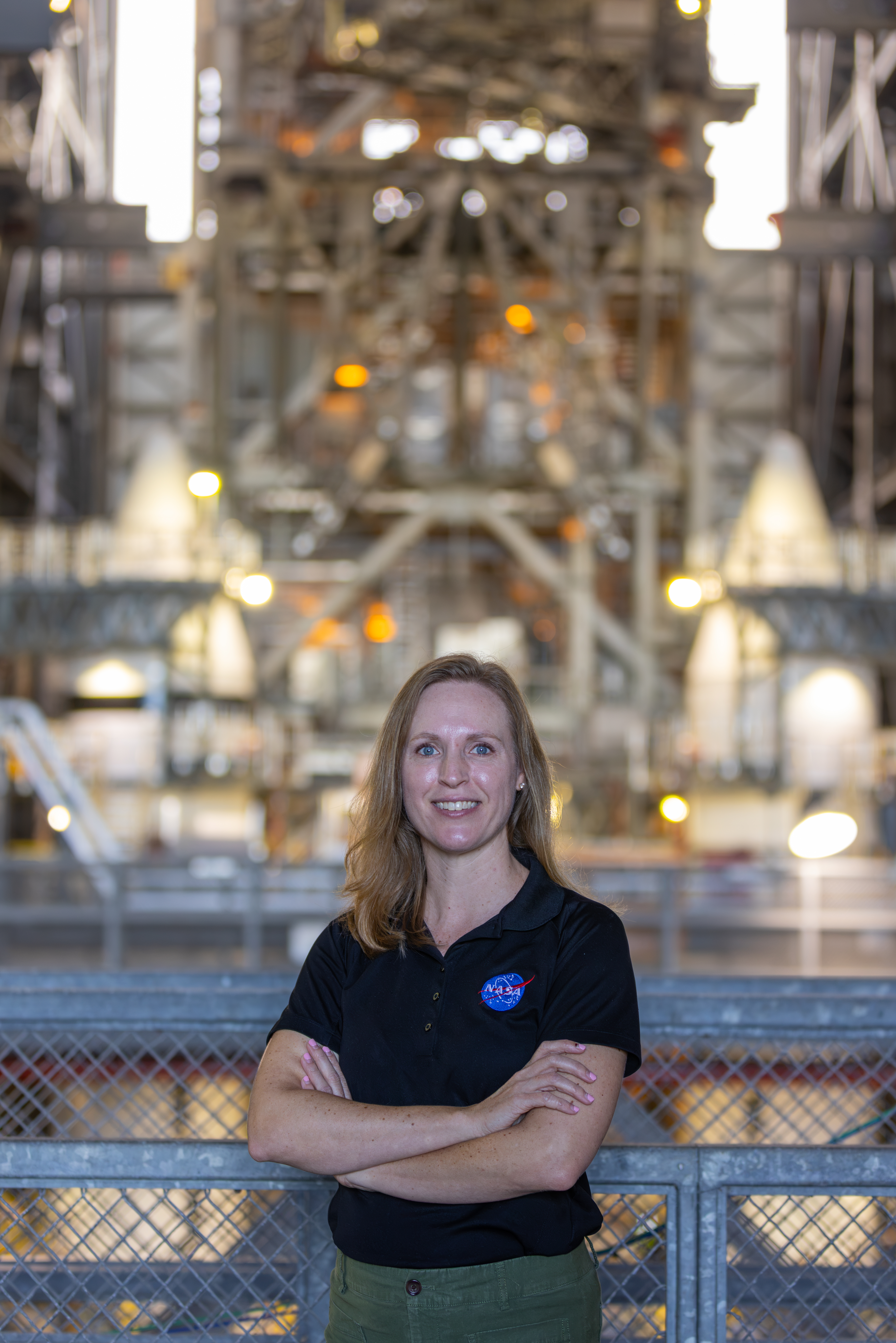
As the supercooled propellant flowed into the core stage, and NASA’s SLS (Space Launch System) rocket roared to life, Allison Mjoen and her family watched with awe and pride. Mjoen, NASA’s operations manager for the agency’s Exploration Ground Systems program, helped shape the systems and ground operations that will one day send humans back to […]

Read More →
UK to Award £25M Space Surveillance Radar Contract in July 2027
European Spaceflight •

UK to Award £25M Space Surveillance Radar Contract in July 2027

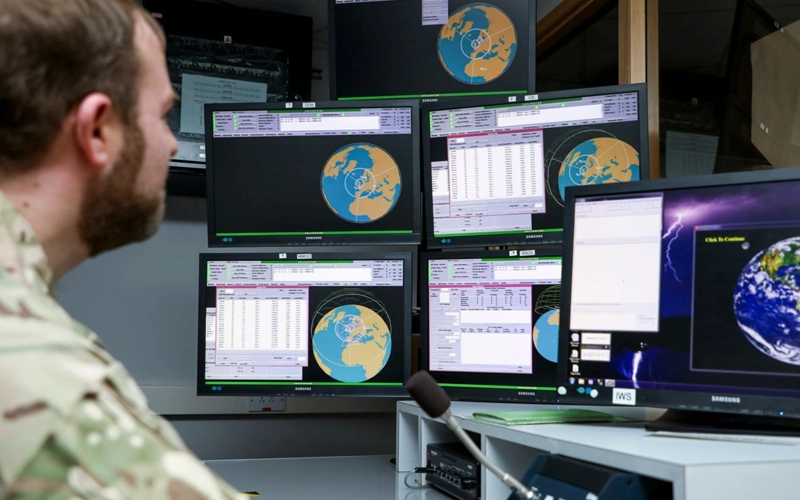
The UK Space Agency (UKSA) is expected to award a £25 million contract for a ground-based space surveillance radar in July 2027. The call, published in late September, follows several changes to the government’s procurement plans for the installation. According to the call, the contract will cover the development and manufacture of a high-power radar […] The post UK to Award £25M Space Surveillance Radar Contract in July 2027 appeared first on European Spaceflight.

Read More →

Upcoming Launches

View All →
Launch Successful

Falcon 9 Block 5 | USSF-481

SpaceX
Mission Type Government/Top Secret
Orbit Polar Orbit
Pad Space Launch Complex 4E, Vandenberg SFB, CA, USA
Go for Launch

Falcon 9 Block 5 | Bandwagon 5 (Dedicated Mid-Inclination Rideshare)

SpaceX
Mission Type Dedicated Rideshare
Orbit Low Earth Orbit
Pad Space Launch Complex 40, Cape Canaveral SFS, FL, USA
Go for Launch

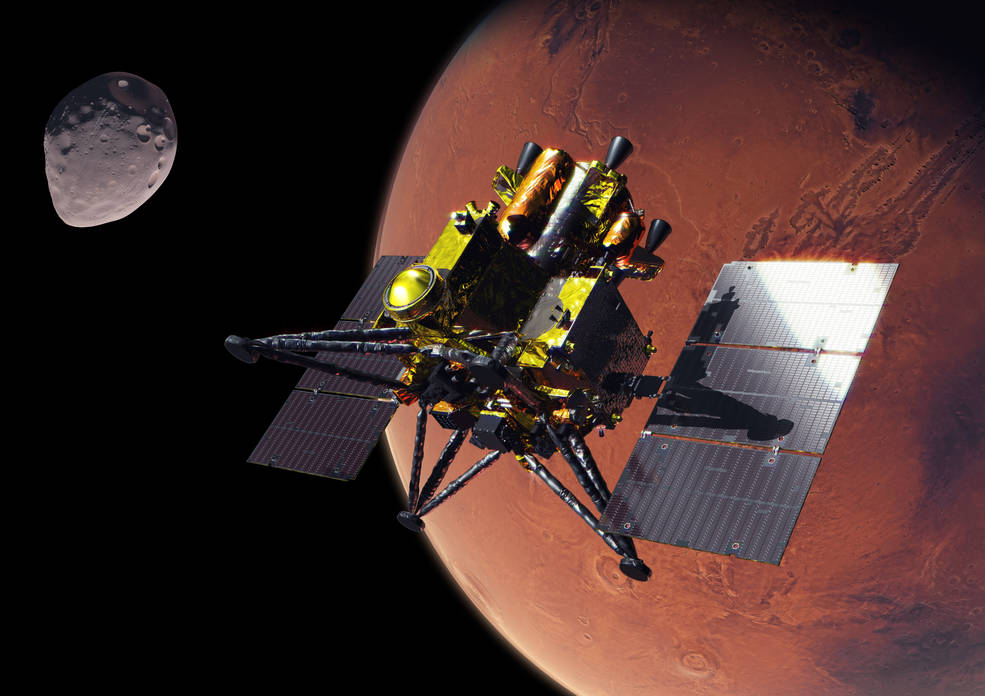
H3-24 | Martian Moons eXploration (MMX)

Mitsubishi Heavy Industries
Mission Type Planetary Science
Orbit Mars Orbit
Pad Yoshinobu Launch Complex LP-2, Tanegashima Space Center, Japan

Upcoming Events

View All →
SpaceX Crew-12 Post-Flight News Conference

SpaceX Crew-12 Post-Flight News Conference

Press Event

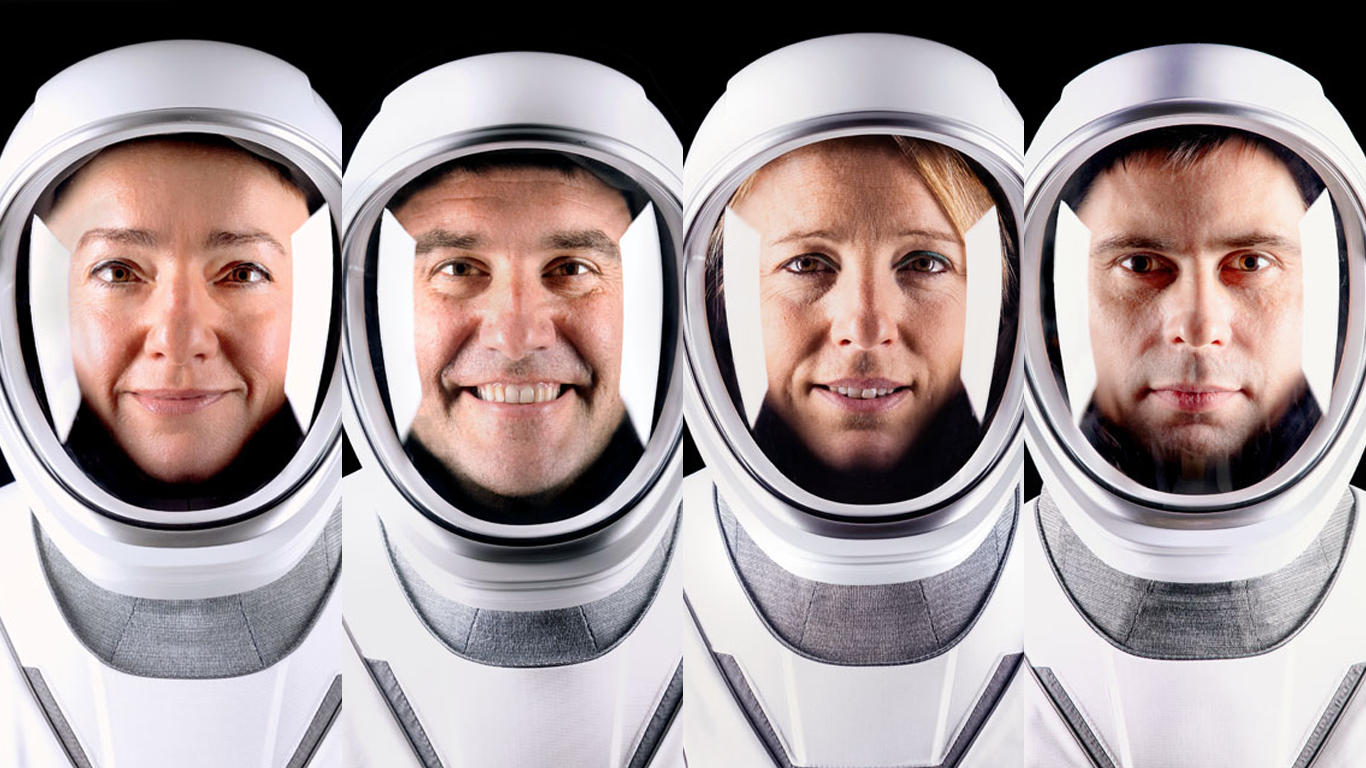
After more than seven months aboard the International Space Station, NASA’s SpaceX Crew-12 mission safely splashed down in the Pacific Ocean off the coast of Los Angeles. The crew members will discuss their science mission during a news conference at the agency’s Johnson Space Center in Houston. NASA astronauts Jessica Meir and Jack Hathaway, ESA (European Space Agency) astronaut Sophie Adenot, and Roscosmos cosmonaut Andrey Fedyaev will answer questions about their mission.

NASA JAXA MMX Media Teleconference

NASA JAXA MMX Media Teleconference

Press Event

NASA will hold a media teleconference to preview the agency’s contributions to JAXA’s (Japan Aerospace Exploration Agency) Martian Moons eXploration (MMX) mission. The mission is scheduled to launch from JAXA’s Tanegashima Space Center in Japan on Monday, Oct. 19 EDT (Tuesday, Oct. 20 JST). Participants in the briefing, who will provide an overview of the mission and NASA’s contributions, include: - Lindsay Hays, acting director, Planetary Science Division, NASA Headquarters in Washington - Tom Statler, MMX program executive and scientist, Planetary Science Division, NASA Headquarters - David Lawrence, MEGANE (Mars-moon Exploration with Gamma-rays and Neutrons) principal investigator, Johns Hopkins Applied Physics Laboratory - Kris Zacny, vice president, Blue Origin’s Honeybee Robotics

US EVA-100/101 Preview News Conference

US EVA-100/101 Preview News Conference

Press Event

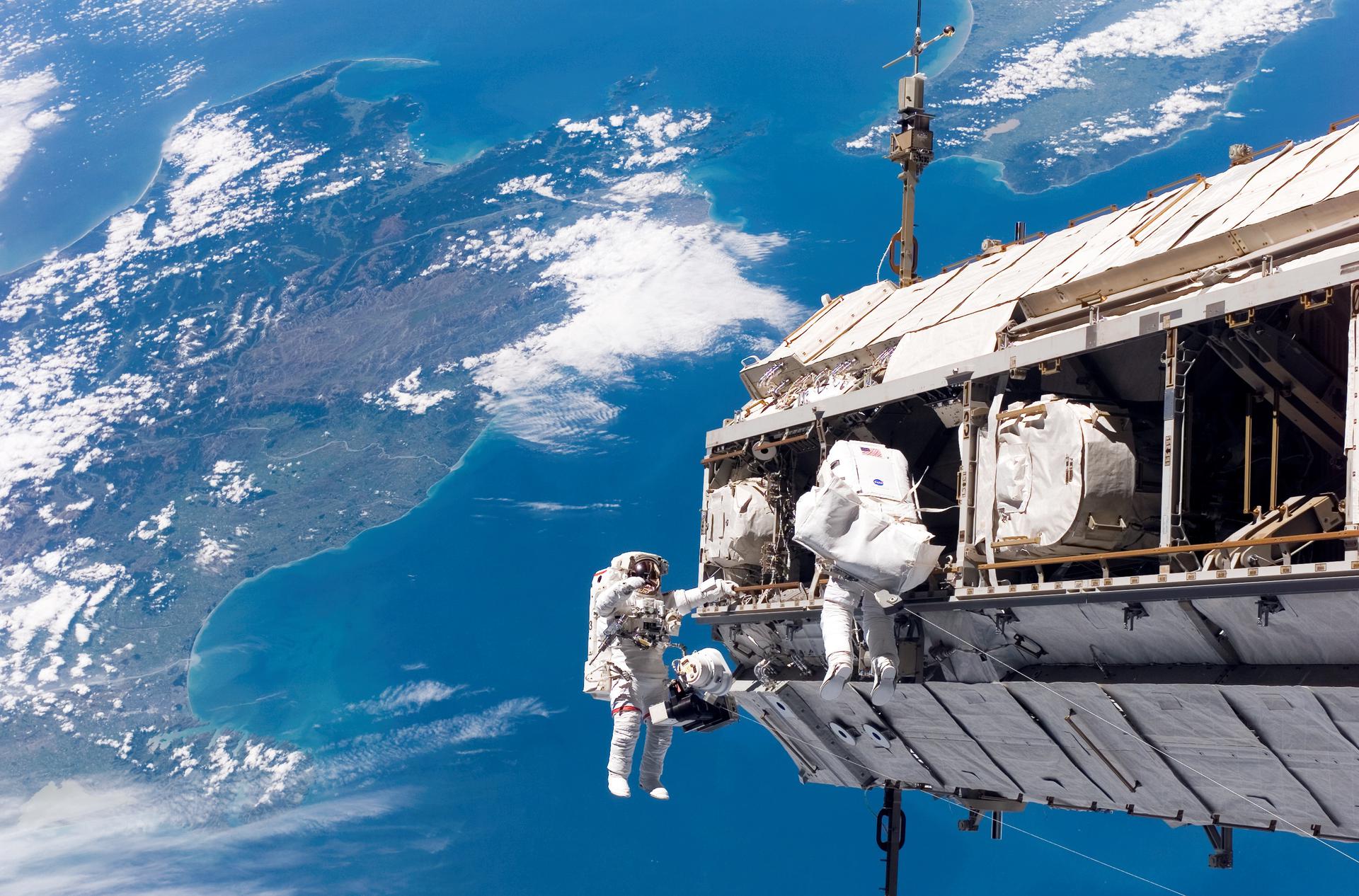
NASA will preview two upcoming spacewalks to complete solar array installation and power augmentation of the International Space Station during a news conference at 2 p.m. EDT, Tuesday, Oct. 20, from NASA’s Johnson Space Center in Houston. NASA participants include: - Gaurang Patel, operations integration manager, Low Earth Orbit Program - Garrett Hehn, spacewalk flight director, Flight Operations Directorate

Active Space Stations

View All →
International Space Station

International Space Station

Status: Active Orbit: Low Earth Orbit

Founded: 1998-11-20

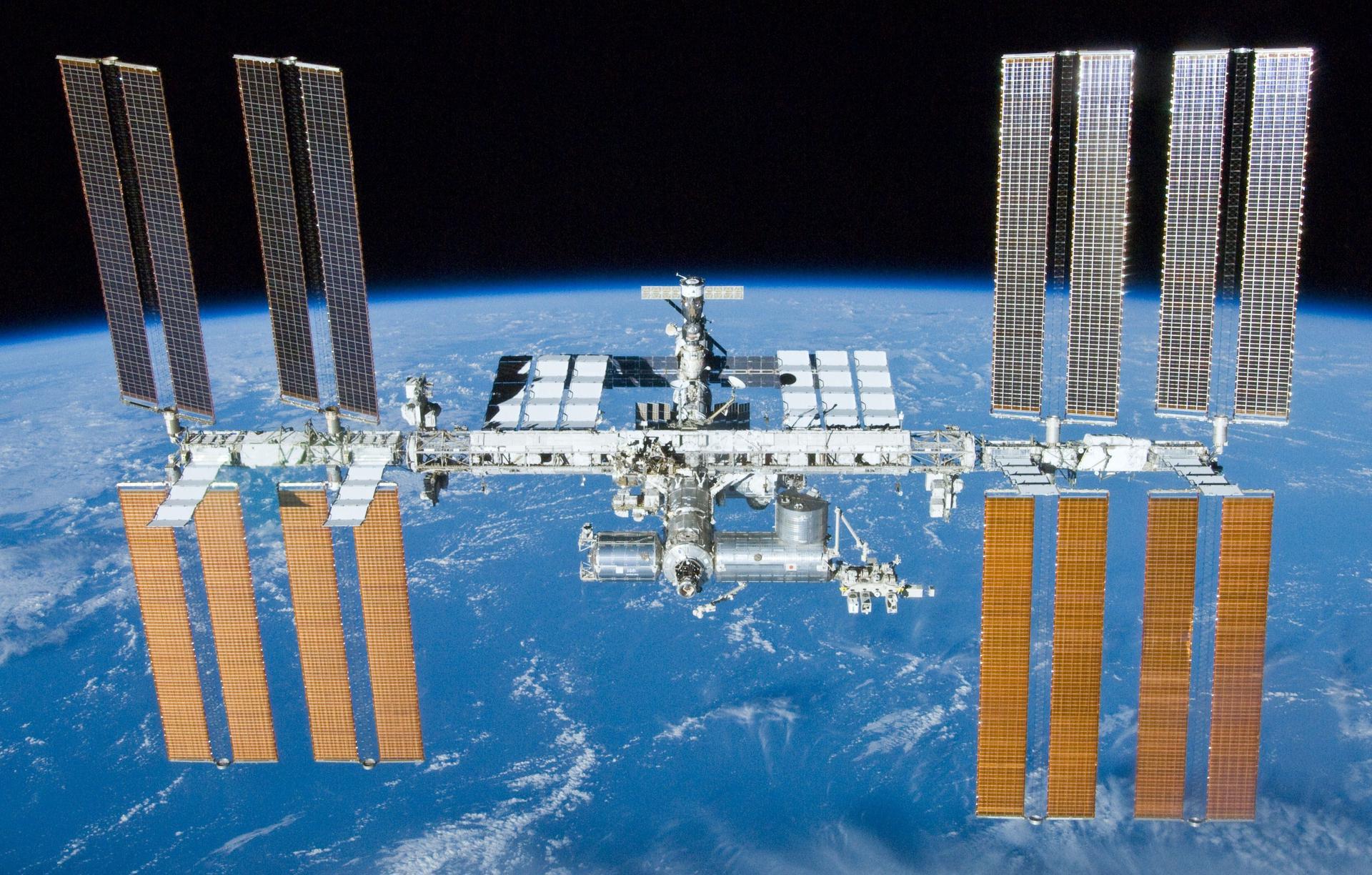
The International Space Station (ISS) is a space station, or a habitable artificial satellite, in low Earth orbit. Its first component was launched into orbit in 1998, with the first long-term residents arriving in November 2000. It has been inhabited continuously since that date. The last pressurised module was fitted in 2011, and an experimental inflatable space habitat was added in 2016. The station is expected to operate until 2030. Development and assembly of the station continues, with several new elements scheduled for launch in 2019. The ISS is the largest human-made body in low Earth orbit and can often be seen with the naked eye from Earth. The ISS consists of pressurised habitation modules, structural trusses, solar arrays, radiators, docking ports, experiment bays and robotic arms. ISS components have been launched by Russian Proton and Soyuz rockets, and American Space Shuttles.

CSAESAJAXANASARFSA
Mir

Mir

Status: De-Orbited Orbit: Low Earth Orbit

Founded: 1986-02-20

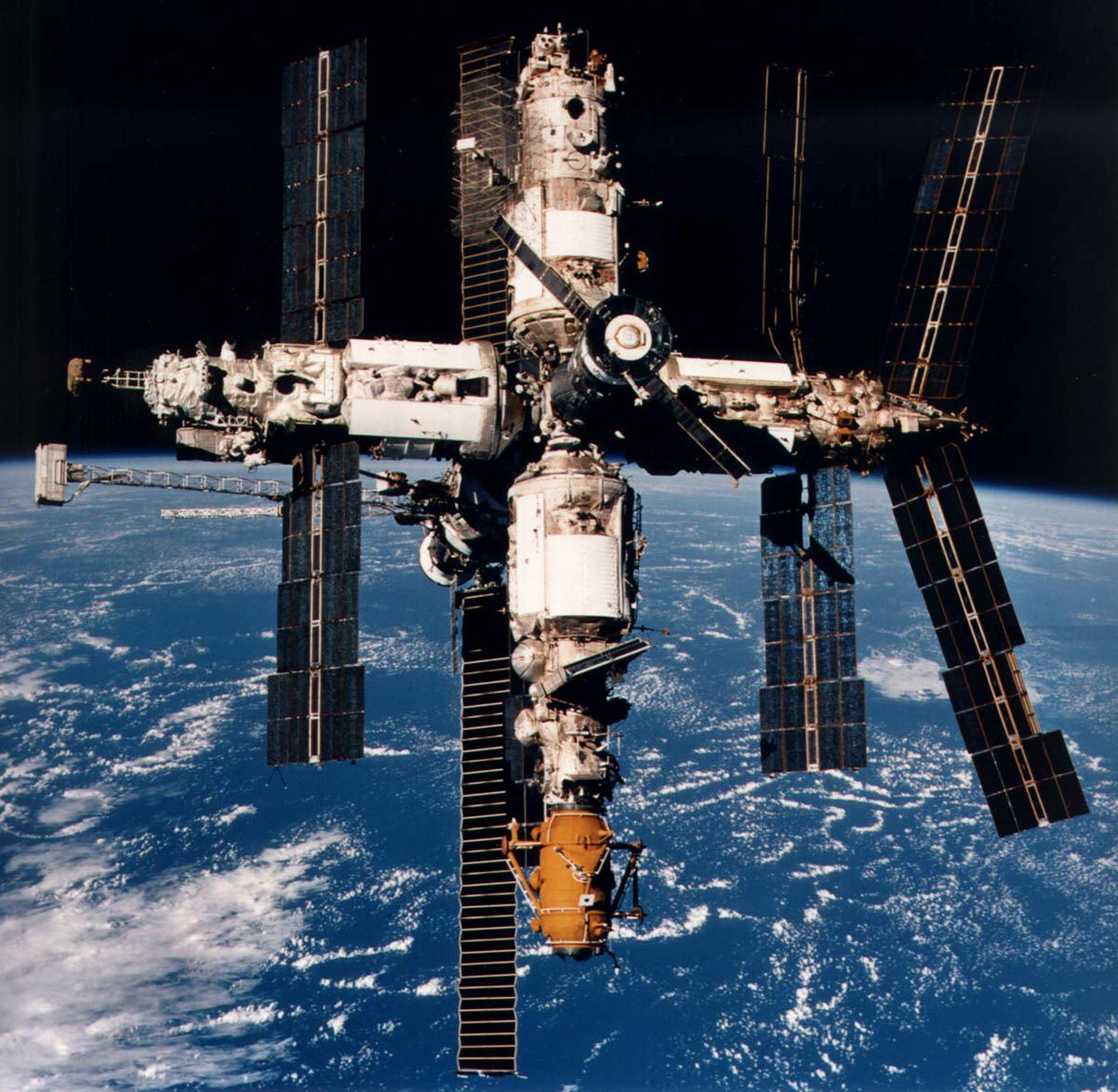
Mir was a space station that operated in low Earth orbit from 1986 to 2001, operated by the Soviet Union and later by Russia. Mir was the first modular space station and was assembled in orbit from 1986 to 1996. The station served as a microgravity research laboratory in which crews conducted experiments in biology, human biology, physics, astronomy, meteorology and spacecraft systems with a goal of developing technologies required for permanent occupation of space.

RFSA
Skylab

Skylab

Status: De-Orbited Orbit: Low Earth Orbit

Founded: 1973-05-14

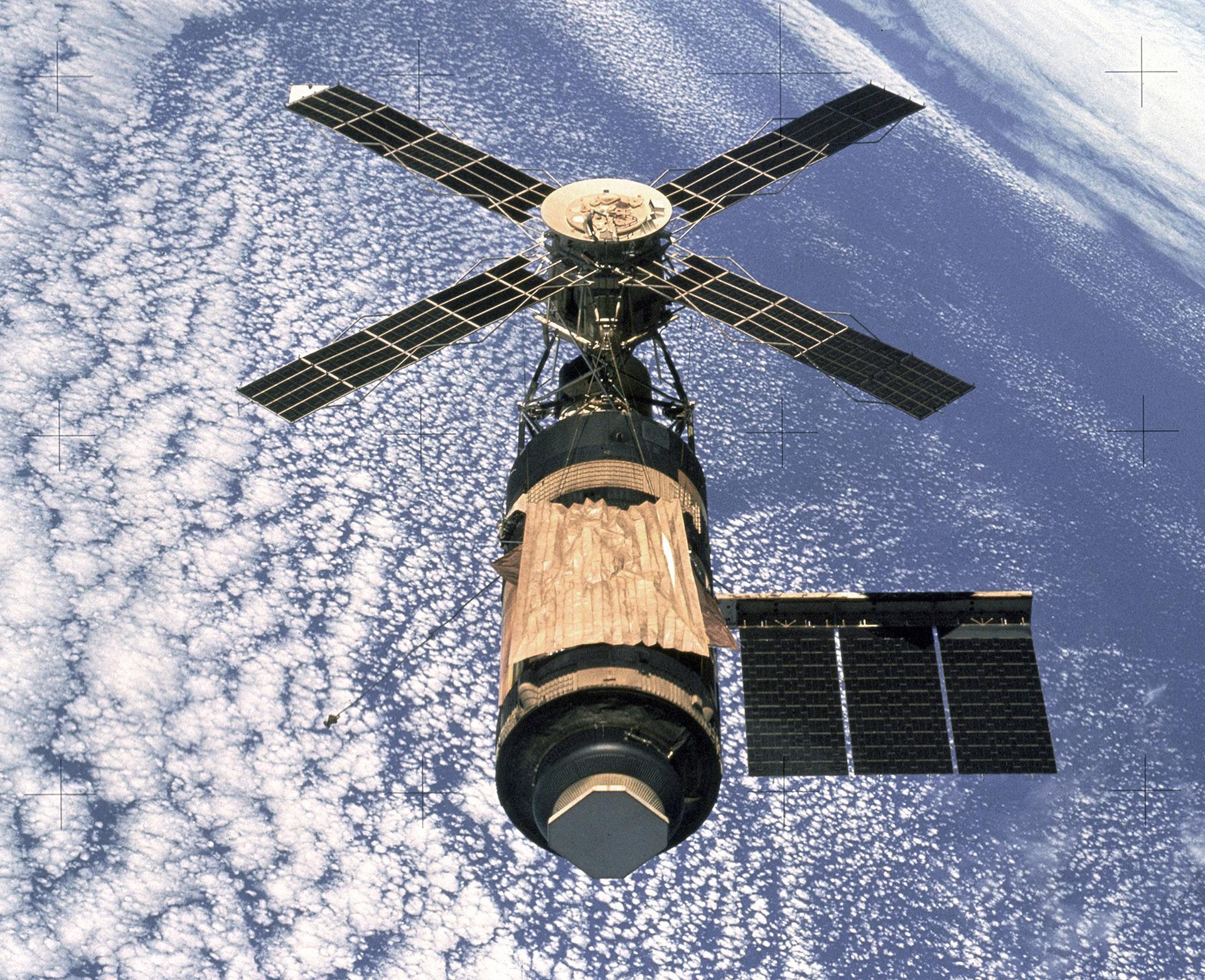
Skylab was a United States space station launched and operated by NASA, and occupied for about 24 weeks between May 1973 and February 1974 – the only space station the U.S. has operated exclusively. In 1979 it fell back to Earth amid huge worldwide media attention. Skylab included a workshop, a solar observatory, and other systems necessary for crew survival and scientific experiments. It was launched unmanned by a modified Saturn V rocket, with a weight of 170,000 pounds (77,000 kg). Lifting Skylab into low earth orbit was the final mission and launch of a Saturn V rocket (famous for carrying the manned Moon landing missions). Three missions delivered three-astronaut crews in the Apollo command and service module (Apollo CSM), launched by the smaller Saturn IB rocket. For the final two manned missions to Skylab, a backup Apollo CSM/Saturn IB was assembled and made ready in case an in-orbit rescue mission was needed, but this backup vehicle was never flown.

NASA